Source breathable anti microbial casual sneaker for Running, Daily, Sports
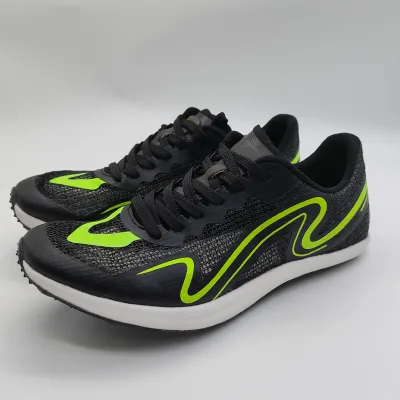
Compare 30 options for the breathable anti microbial casual sneaker featuring materials like canvas and mesh with flat heels. Buyers can evaluate suppliers offering customization, OEM services, and various color choices for seasonal use.
Key considerations
Products List




Comprehensive Sourcing Guide
Strategic Sourcing Guide for Breathable Anti-Microbial Casual Sneakers
Defining the Product Category and Core Attributes
The search for breathable anti-microbial casual sneakers requires a precise understanding of the intersection between performance materials and everyday wearability. In the current B2B landscape, this category is not monolithic; it encompasses a spectrum of products ranging from athletic-inspired casual wear to specialized footwear designed for high-activity environments. The core keyword implies a specific set of material requirements: the upper must facilitate airflow to manage moisture, while the internal environment must be treated or constructed to inhibit microbial growth.
Based on observed market data, buyers must distinguish between products that merely claim these features and those that substantiate them through material composition. For instance, the supply chain offers variants where the upper material is constructed from canvas, a natural fiber known for breathability, or PU and mesh combinations that offer enhanced airflow and structural flexibility. The lining material is equally critical; observations indicate the use of cotton fabric and mesh linings, both of which serve as primary barriers against moisture retention that can lead to microbial proliferation.
The "anti-microbial" attribute is often paired with other functional claims such as resilience and comfort. In the context of casual sneakers, this functionality is not just about hygiene but also about maintaining the structural integrity of the shoe over time. The insole material plays a pivotal role here, with EVA (Ethylene-Vinyl Acetate) and TPR (Thermoplastic Rubber) being the most frequently observed choices. EVA provides a lightweight, cushioned feel that supports the foot during extended wear, while TPR offers durability and resistance to deformation.
When evaluating a potential product, the buyer must look beyond the marketing label. The presence of a specific feature list, such as "Breathable, Resilient, Anti-microbial," should be cross-referenced with the physical specifications of the upper and lining. A shoe marketed as "breathable" but constructed with non-porous leather without mesh inserts may fail to meet the functional expectations of the target market. Conversely, a canvas upper with a cotton lining offers a traditional, highly breathable profile suitable for autumn and spring climates, whereas mesh and PU combinations are better suited for summer or high-intensity casual use.
Technical Specifications and Material Composition
Technical due diligence is the cornerstone of sourcing high-quality footwear. The specifications of a breathable anti-microbial sneaker are defined by the synergy of its components. The upper material is the first line of defense; observed data shows a divergence between canvas, PU, mesh, and genuine leather. Canvas offers a classic aesthetic and natural breathability, while PU and mesh provide modern durability and superior ventilation. Genuine leather, while durable, requires specific perforation or mesh integration to achieve the "breathable" designation effectively.
The insole material directly impacts the anti-microbial performance. EVA insoles are lightweight and provide excellent shock absorption, which is essential for casual wear. However, the anti-microbial efficacy often depends on the treatment applied to the insole or the inherent properties of the material. TPR insoles, while slightly heavier, offer robust support and are often treated to resist odor-causing bacteria. The outsole material, typically rubber in this category, must provide an anti-slip function to ensure safety, a feature explicitly noted in several product specifications.
Heel height is another critical technical specification. For casual sneakers, the observed standard is a flat heel, which promotes natural foot alignment and comfort. This distinguishes them from fashion-forward heels or specialized athletic spikes. The close pattern also dictates the fit and ease of use; elastic bands offer a slip-on convenience that is popular for casual wear, while lace-up patterns provide a more secure, adjustable fit suitable for running or active scenarios.
Color and style variations are significant for marketability. The observed color palette is extensive, including beige, black, white, blue, pink, gold, red, yellow, brown, silver, grey, orange, purple, and green. This variety allows buyers to cater to diverse consumer preferences. The style is generally categorized as "Sports Active," bridging the gap between pure athletic gear and daily casual wear. The single package size and gross weight are also vital for logistics planning; observed data indicates a single gross weight of 3.0 kg and specific package dimensions that must be accounted for in shipping calculations.
Compliance, Certification, and Safety Standards
Navigating the compliance landscape for footwear is essential to mitigate risk and ensure market access. While specific certification statuses for every product cannot be generalized, buyers must verify that suppliers adhere to relevant international standards for footwear safety and material health. The "anti-microbial" claim, in particular, requires rigorous verification. In many jurisdictions, making a claim about microbial inhibition requires third-party testing data to substantiate the assertion. Buyers should request test reports that demonstrate the efficacy of the anti-microbial treatment against common pathogens like Staphylococcus aureus or Escherichia coli.
Safety standards often focus on the physical properties of the shoe, such as slip resistance and structural integrity. The observed "Anti-slip" feature suggests that the outsole rubber compound meets certain friction coefficients, but the exact numerical values should be verified against the destination market's regulations. For example, in the European Union, footwear may need to comply with EN standards regarding slip resistance, while in the United States, ASTM standards might apply.
Material safety is another critical compliance area. The use of leather, canvas, PU, and mesh involves various chemical processes. Buyers should ensure that the materials used do not contain restricted substances such as azo dyes, formaldehyde, or heavy metals, which are regulated in many global markets. The "Genuine Leather" and "Cotton Fabric" materials, while natural, still undergo tanning and dyeing processes that must be compliant with REACH (Registration, Evaluation, Authorisation and Restriction of Chemicals) in Europe or similar regulations in other regions.
Furthermore, the "OEM/ODM Supported" status indicates that the supplier is capable of customizing products, which introduces additional compliance layers. If a buyer requests a specific anti-microbial treatment or a unique material blend, the supplier must provide documentation proving that the custom configuration meets all applicable safety and environmental standards. The "Product Standard" listed as "30X20X10" likely refers to packaging dimensions or a specific internal code, but it does not replace the need for formal product safety certifications.
Cost Drivers and Pricing Dynamics
Understanding the cost structure of breathable anti-microbial sneakers is vital for negotiating favorable terms. The price range observed in the market spans from 5 to 50 USD, a wide spectrum that reflects significant variations in material quality, production complexity, and brand positioning. Several key factors drive these costs. The choice of upper material is a primary driver; genuine leather and high-grade mesh typically command higher prices than standard canvas or basic PU. Similarly, the insole material affects cost, with specialized EVA or TPR formulations being more expensive than standard foams.
The anti-microbial treatment adds a distinct cost layer. This involves either the use of treated materials, which are more expensive, or the application of chemical coatings during the manufacturing process. The complexity of the design also influences the price. Shoes with elastic bands may be cheaper to produce than those with intricate lace-up systems or multiple material layers. Additionally, the level of customization required, such as specific branding or unique colorways, can increase the unit cost.
Minimum Order Quantity (MOQ) is a significant factor in the overall cost per unit. The observed MOQ range varies from 1 to 5000 pairs, with specific listings showing MOQs of 12, 800, and 1000 pairs. Higher MOQs generally result in lower unit costs due to economies of scale. Buyers with smaller order volumes may face higher per-unit prices but benefit from reduced inventory risk. The "Selling Units" being listed as "Single item" suggests that some suppliers offer low-MOQ options for sampling or small-batch testing, which is crucial for new entrants to the market.
Logistics and packaging also contribute to the final cost. The single gross weight of 3.0 kg and specific package sizes (45X50X60 cm) impact shipping costs, especially for air freight. Buyers must calculate the landed cost, including duties, taxes, and freight, to determine the true profitability of the product. The "Place of Origin" being Fujian, China, a major footwear manufacturing hub, suggests competitive labor costs, but buyers should also consider the impact of trade tariffs and supply chain disruptions on pricing stability.
Supplier Evaluation and Production Capabilities
Selecting the right supplier is a critical step in the sourcing process. The supply chain for breathable anti-microbial sneakers is concentrated in specific regions, with Putian and Fujian, China, being prominent origins. These regions have established ecosystems for footwear manufacturing, offering access to skilled labor, raw materials, and specialized machinery. However, the presence of a location does not guarantee quality; buyers must evaluate the supplier's production capabilities, quality control systems, and reputation.
Key evaluation criteria include the supplier's ability to handle customization. The "OEM/ODM Supported" and "Service: OEM ODM Supported" attributes indicate that the supplier can adapt products to the buyer's specifications. Buyers should verify the supplier's experience with similar projects, particularly those involving anti-microbial treatments and breathable materials. Requesting samples and reviewing past work can provide insight into the supplier's craftsmanship and attention to detail.
Quality control is another essential factor. A reliable supplier should have a robust QC process that includes raw material inspection, in-process checks, and final product testing. Buyers should inquire about the supplier's defect rates and their procedures for handling non-conforming products. The "Feature: Comfortable" and "Feature: Breathable" claims must be validated through physical testing, not just marketing assertions.
The supplier's capacity to meet lead times and volume requirements is also crucial. While specific lead times are not provided in the observed data, buyers should establish clear timelines for production, sampling, and shipping. The "MOQ" variations suggest that suppliers have different capacity levels; some may be better suited for large-volume orders, while others may specialize in smaller, custom batches. Buyers should assess the supplier's financial stability and their ability to scale production in response to demand fluctuations.
Quality Control and Long-Term Procurement Strategy
Implementing a rigorous quality control strategy is essential to ensure that the sourced sneakers meet the required standards for breathability, anti-microbial performance, and durability. The quality control process should begin at the raw material stage, verifying the specifications of the canvas, PU, mesh, leather, and lining materials. Buyers should request material safety data sheets (MSDS) and test reports for anti-microbial treatments to ensure compliance with relevant standards.
During production, regular inspections should be conducted to monitor the manufacturing process. This includes checking the stitching quality, the application of the anti-microbial treatment, and the assembly of the upper, lining, and insole. The "Close Pattern" and "Heel Height" should be verified against the approved samples to ensure consistency. Final product inspections should focus on the overall appearance, functionality, and packaging. The "Single package size" and "Single gross weight" should be accurate to prevent shipping issues.
Long-term procurement considerations involve building a sustainable relationship with the supplier. This includes establishing clear communication channels, agreeing on quality standards, and setting expectations for continuous improvement. Buyers should also consider the environmental impact of the products, seeking suppliers who use sustainable materials and ethical manufacturing practices. The "Season" attributes, ranging from Autumn to Winter, Spring, and Summer, indicate that the products are versatile, but buyers should plan their inventory accordingly to match seasonal demand.
Finally, buyers should maintain a flexible procurement strategy that allows for adjustments based on market feedback. If the anti-microbial feature is not well-received or if the breathability is insufficient, the buyer should be prepared to pivot to alternative specifications. The "Usage Scenarios" of "Daily Outfit Shoes" and "Racing Jumping Running" suggest a broad market potential, but buyers should focus on the specific needs of their target audience to maximize sales and customer satisfaction. By adhering to these principles, buyers can successfully source high-quality breathable anti-microbial casual sneakers that meet both functional and commercial objectives.
FAQs
What materials are used for the upper of these sneakers?
The upper material varies by product, commonly using canvas, PU, mesh, or genuine leather. Canvas and mesh offer natural breathability, while PU and leather provide durability, with some models combining these materials for optimal airflow and structure.
How is the anti-microbial feature achieved in the lining?
Anti-microbial properties are often supported by lining materials like cotton fabric or mesh, which manage moisture to inhibit bacterial growth. Specific treatments may be applied, but the primary defense relies on breathable fabrics that prevent the damp environment where microbes thrive.
Which heel height is standard for these casual sneakers?
The standard heel height for these casual sneakers is flat. This design promotes natural foot alignment and comfort for daily wear, distinguishing them from fashion heels or specialized athletic spikes that require elevated or cushioned profiles.
Can I find suppliers offering customization services for these shoes?
Yes, suppliers offer OEM and ODM customization services for these shoes. Buyers can request specific branding, color variations, or material adjustments, provided they meet the supplier's minimum order quantity requirements which range from 12 to 1000 pairs depending on the model.
What is the typical price range for these sneakers?
The observed price range for these sneakers spans from 5 to 50 USD. This wide spectrum reflects differences in material quality, such as genuine leather versus canvas, and production complexity, with higher costs often associated with specialized anti-microbial treatments or custom designs.
How does the insole material affect comfort and durability?
Insole materials like EVA and TPR directly impact comfort and durability. EVA provides lightweight cushioning for extended wear, while TPR offers robust support and resistance to deformation, both contributing to the overall resilience and anti-microbial environment within the shoe.
Which locations are known for manufacturing these footwear products?
Manufacturing for these products is concentrated in regions like Putian and Fujian, China. These areas possess established ecosystems for footwear production, offering access to skilled labor and raw materials, though specific lead times and capacities vary by individual supplier.